The advantages of using a 6-axis welding robot include enhanced flexibility, improved precision, increased productivity, consistent weld quality, enhanced safety, automation and integration capabilities, and cost efficiency. These factors make 6-axis welding robots a valuable asset for optimizing welding operations in various industries.
Product Description:
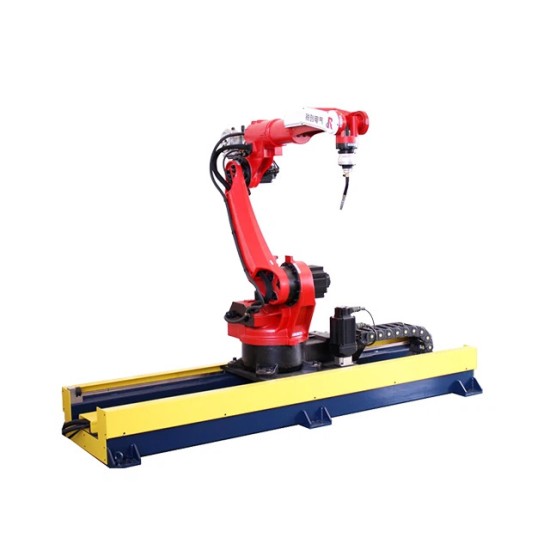
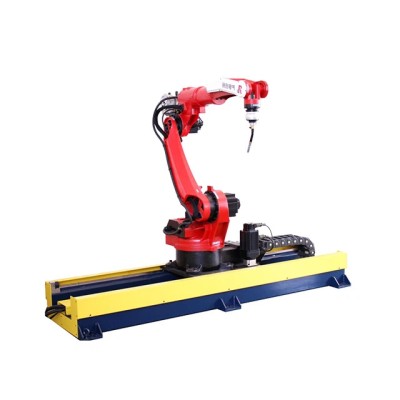
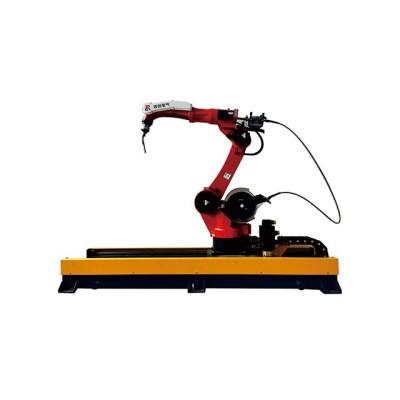
A 6-axis welding robot is a robotic system specifically designed for performing welding operations. It is equipped with a robotic arm that has six degrees of freedom, allowing it to move in multiple directions and orientations.
Here are some advantages of using a 6-axis welding robot:
Flexibility: The 6-axis design provides a high level of flexibility and range of motion. The robot arm can reach and maneuver in various positions and angles, enabling it to access hard-to-reach areas and weld complex geometries with ease.
Precision: The robot's six degrees of freedom allow for precise control over the welding process. It can accurately position the welding torch or gun, adjust welding parameters, and maintain consistent weld quality. This precision leads to higher welding accuracy and improved overall product quality.
Efficiency: The use of a 6-axis welding robot can significantly improve welding productivity. The robot can work continuously without fatigue, leading to increased welding speed and reduced cycle times. It can also perform multiple welding operations simultaneously, further enhancing efficiency.
Consistency: The robot's repeatability ensures that the same welding path and parameters are replicated accurately every time. This consistency eliminates variations caused by human error, resulting in consistent weld quality throughout production.
Safety: Welding robots are designed with built-in safety features to protect operators and maintain a safe working environment. They can be equipped with safety sensors, emergency stop buttons, and protective barriers to prevent accidents and reduce the risk of injury.
Automation and Integration: 6-axis welding robots can be integrated into automated welding systems, allowing for seamless integration with other equipment such as conveyors, positioners, and sensors. This integration enables streamlined production processes and reduces manual labor requirements.
Cost Savings: While the initial investment cost for a 6-axis welding robot may be high, it can lead to long-term cost savings. The increased productivity, reduced rework, and improved weld quality contribute to overall cost efficiency in the welding process.
Overall, a 6-axis welding robot offers advantages in terms of flexibility, precision, efficiency, consistency, safety, and cost savings. It is a valuable tool for automating welding operations and improving productivity and quality in various industries.



 Diamond Member Since 2024Suppliers with verified business licenses





 Manufacturers , Traders